Landmine of Disputes - Scope under commercial contracts
Learn how to write a better scope document

Scope in a commercial contract - image showing a document and a pair of glasses on top
Image credit - Unsplash
A clear, comprehensive and non-ambiguous scope is the key part of a contract. Why – you might ask with surprise, is it not liability and termination. Well, if the scope is not clear, you will have differences on the performance, the payments, and yes even liability and termination. Hence, it is that building block which holds the rest of the framework successfully, if done right. And the same way, it is also the card that makes the entire deck fall down, if weak.
Example of scope elements - maintenance procurement
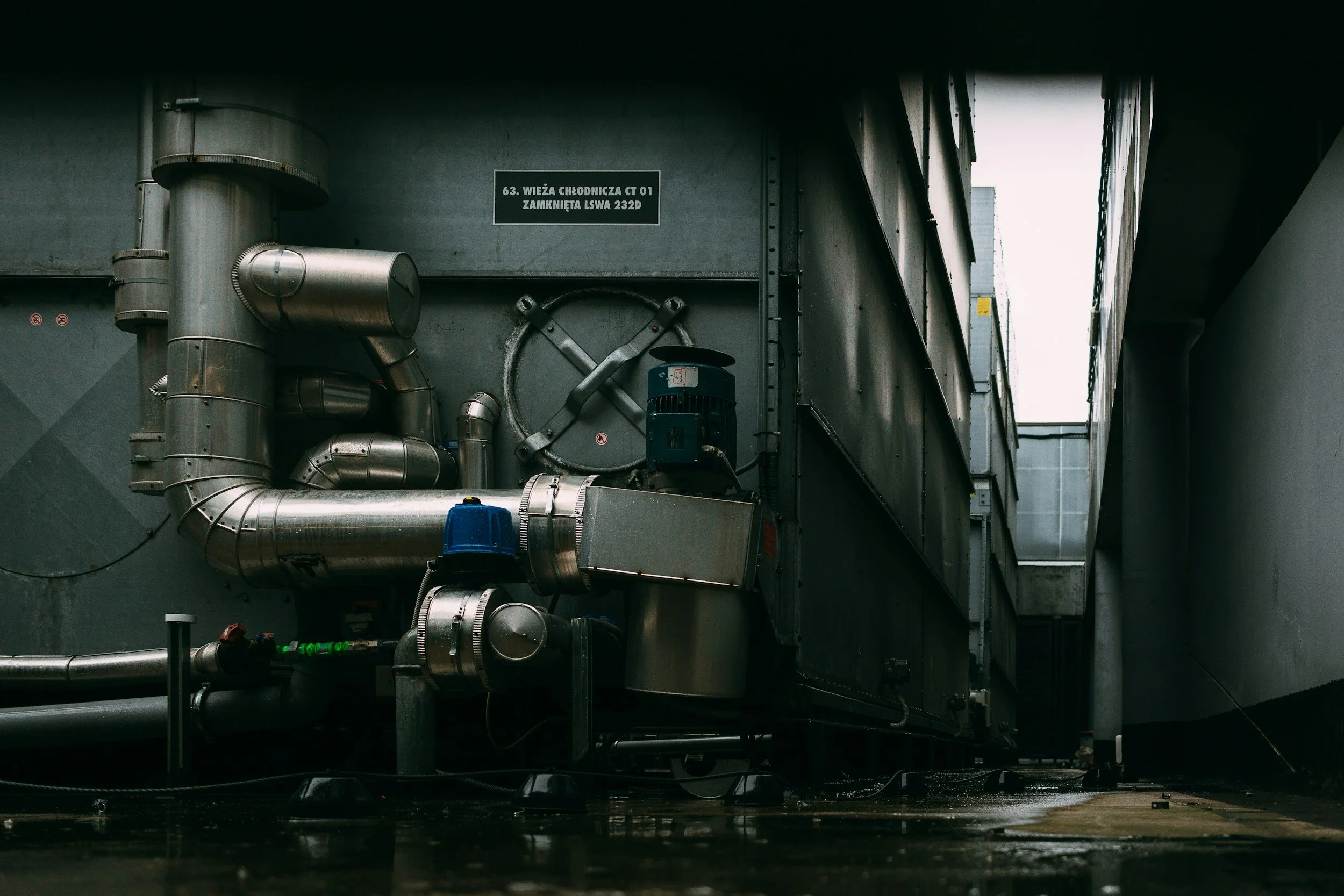
Scope for maintenance contract - image showing equipment/machinery
Image credit - Unsplash
Let’s dive right into an example. Let’s say you are looking at a contract which is dealing with maintenance of air-conditioning, where you are procuring services – what are the kinds of things you would want to look at:
· Does it cover both preventative and remedial maintenance.
· How many times per month/quarter/year will they do preventative maintenance?
· What does preventative maintenance include - for example, for air conditioning maintenance, is it just cleaning of filters, or something else also. Would it exclude something - like cleaning of ducts and coils.
· Who will schedule the time of these visits – client or supplier, or mutual consultation.
· Within how many hours/days will the supplier respond to a call for repair, in other words, remedial maintenance.
· Will attending to repair requests be within office hours or outside office hours also (often called 24×7×365). What are the office hours and days. If office hours only, is that fine from a delay perspective - let’s say a complaint logged in on Friday evening might get attention by Tuesday or so.
Or does it depend on the type of issue.
· If the response time and resolution timeline depends on the type of issue, which kinds of issues are severe and which are small. And who determines which issue is which category - supplier or client.
Pro tip: Industry practice is defining the severities as P1, P2, P3 (Critical, High, Low), or similar. There is usually a short description attached.
If you are the client, and the supplier decides that something is low priority, it will affect the repair of something that might be urgent for you.
· Within what time will the supplier fix it.
Or will the supplier not give a timeline - because resolution depends on the type of issue, and supplier doesn’t want to commit to what they can't predict.
Pro tip: As a client, try to get a resolution timeline, otherwise you are on your own. Response time means nothing, it’s just an acknowledgement of the issue, not really fixing the issue.
· What will happen if parts are needed:
o Who will pay for the parts.
o If client pays for the parts, will supplier still procure it.
o If supplier procures, is there a warranty to those spare parts, and will it be covered by original manufacturer warranty. On the other hand, if client procures, does it have to be from a particular source.
o What will be the timeline for procuring the parts
Pro tip: Supplier will not want to commit to a timeline because it depends on availability and logistics, client will want some commitment and some stock dependency.
· If the supplier doesn’t do the services as per the promises, do they give back service credits, if yes, how would those be calculated. Can you set-off those amounts against the outstanding payments.
· What will the supplier not cover:
o Like damage caused by negligence of the user or any third party?
o Replacement of unit?
o Issues caused by the client not following the operating manual?
Make sure you as a client are fine with the exceptions.
· Are there any restrictions around handling the equipment that can hinder your rights to get a third party to carry out repair and maintenance.
Bear in mind that the scope would depend on the type of service – for example, for maintenance of an elevator/lift, resolution timeline is mandatory and even weekend coverage, because if someone is stuck in a lift, or if the office is on the 25th floor and only 1 out of 2 lifts is working, you can’t wait several days.
If you liked this post or think this can help someone, please do share the link forward.